955 331 1788 info@avrsolutions.com
955 331 1788

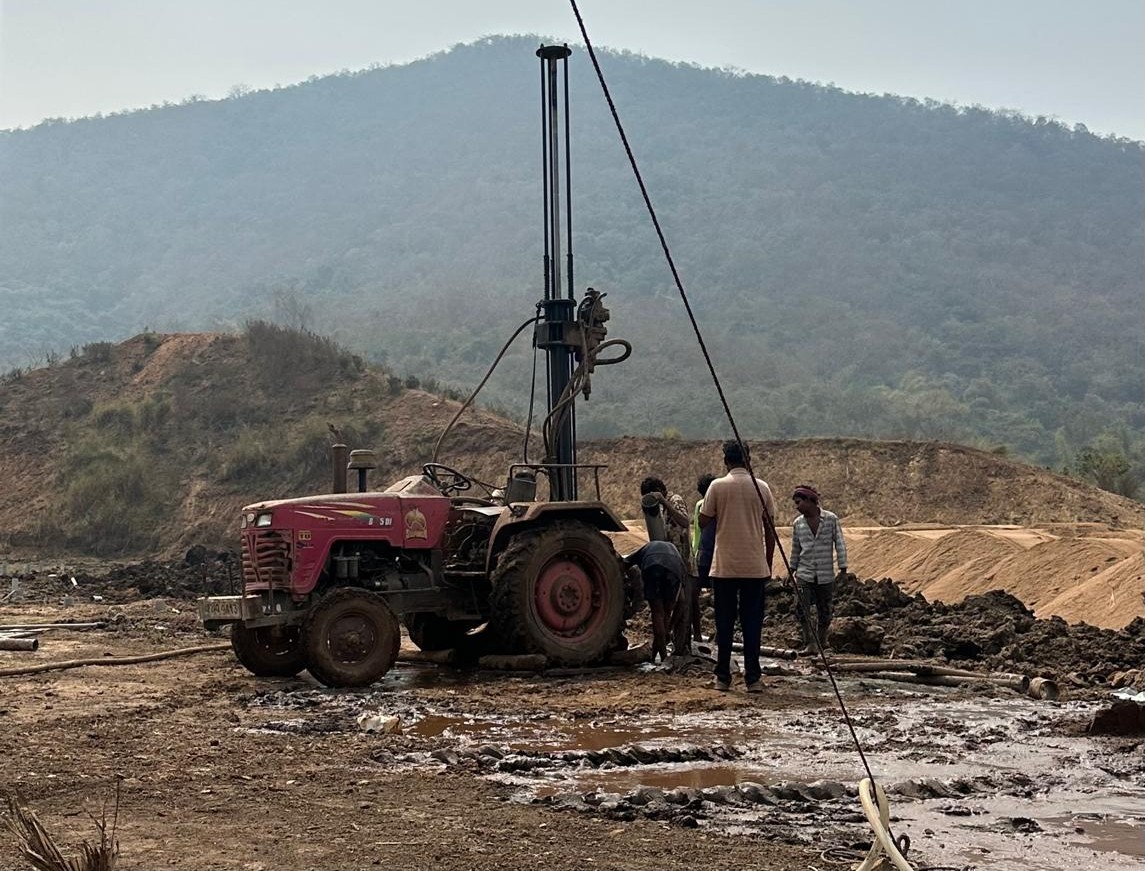
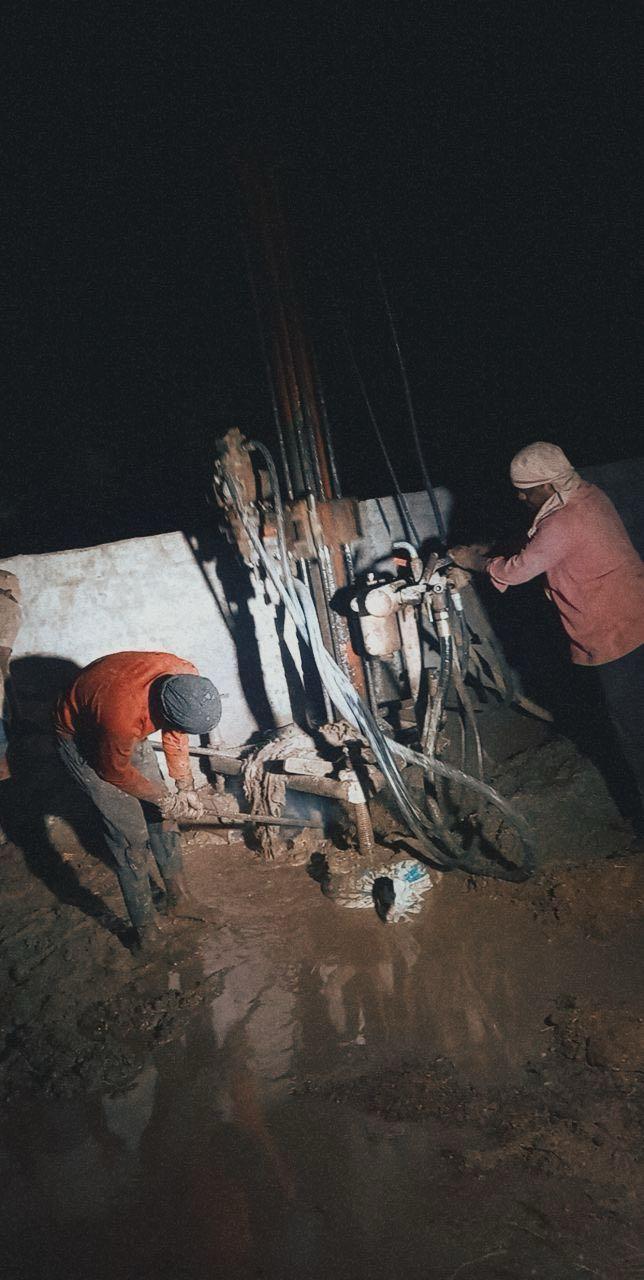
Professional Borewell & Drilling Services

Reliable water solutions for residential, commercial and industrial needs

Our Specialized Services

Comprehensive solutions for all your water and drilling needs

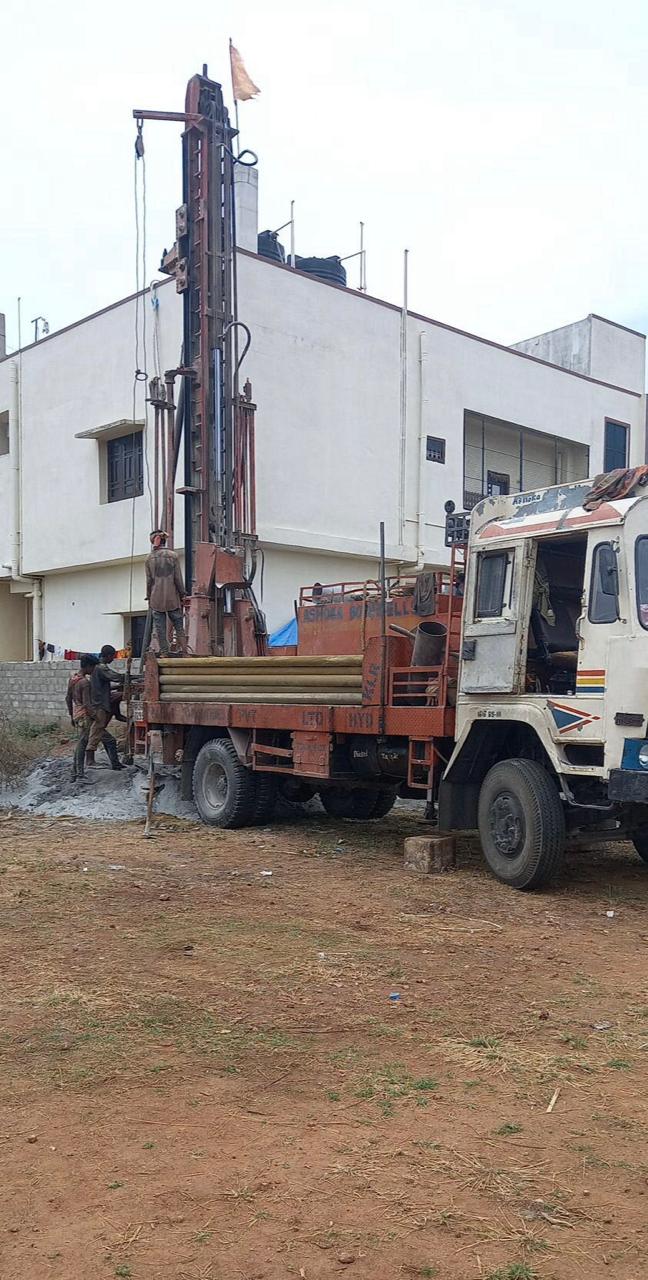
Water Wells

Professional water well construction for various needs:

  • Anywhere in Hyderabad
  • Plots, ventures, open areas
  • Houses & cellars (Chain Mast Points)
  • Water pump motor installation
  • 6½" diameter (up to 1800 ft)
  • 4½" diameter (up to 1100 ft)
Get Quote

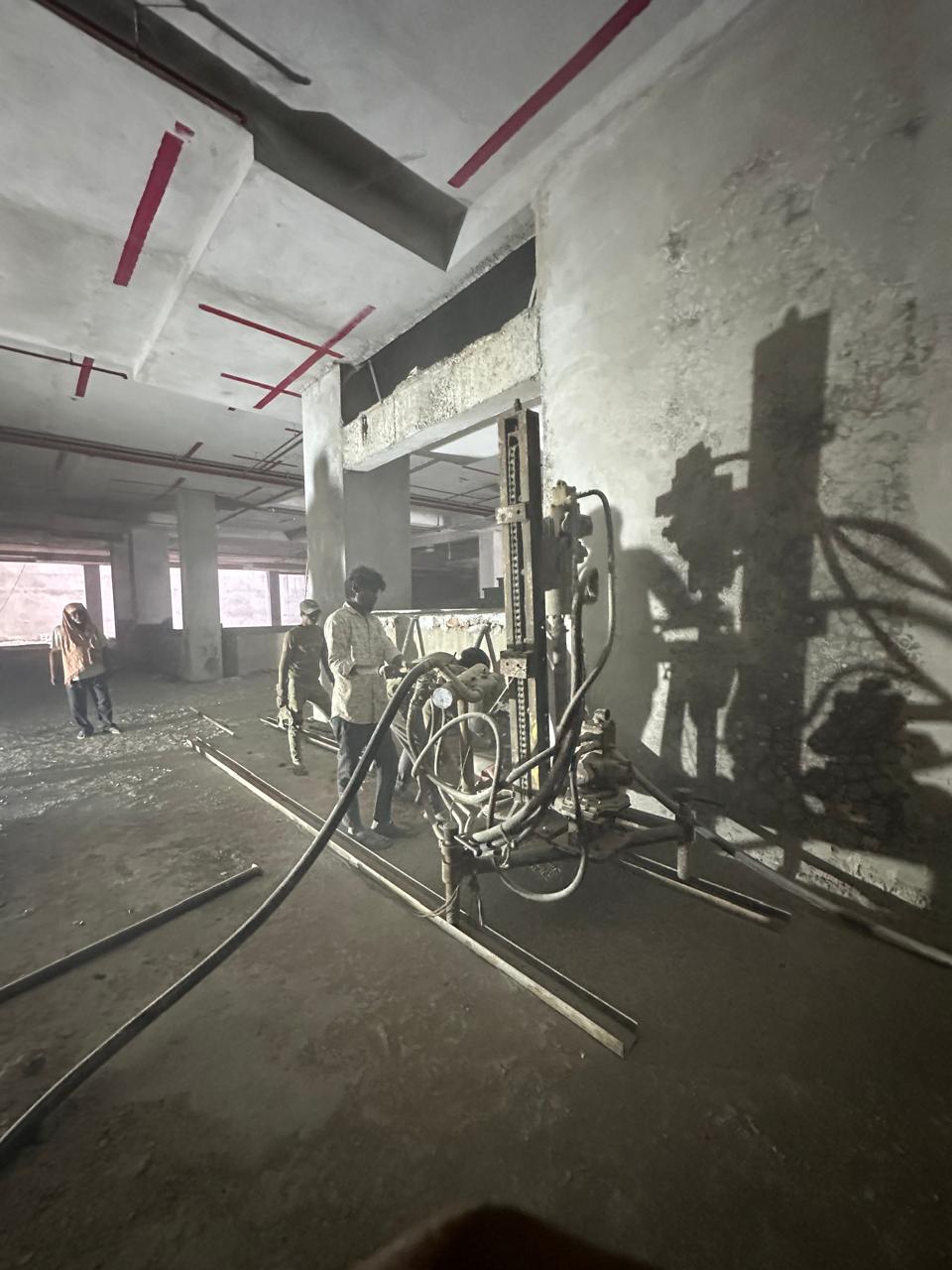
Earthing Hole Drilling

Professional earthing solutions for:

  • Industrial setups
  • Commercial buildings
  • Residential complexes
  • Electrical substations
  • Telecommunication towers
Get Quote

DAMS Drilling & Grouting

Specialized solutions for dam construction:

  • Core drilling for dams
  • Pressure grouting
  • Curtain grouting
  • Foundation stabilization
  • Leakage prevention
Get Quote

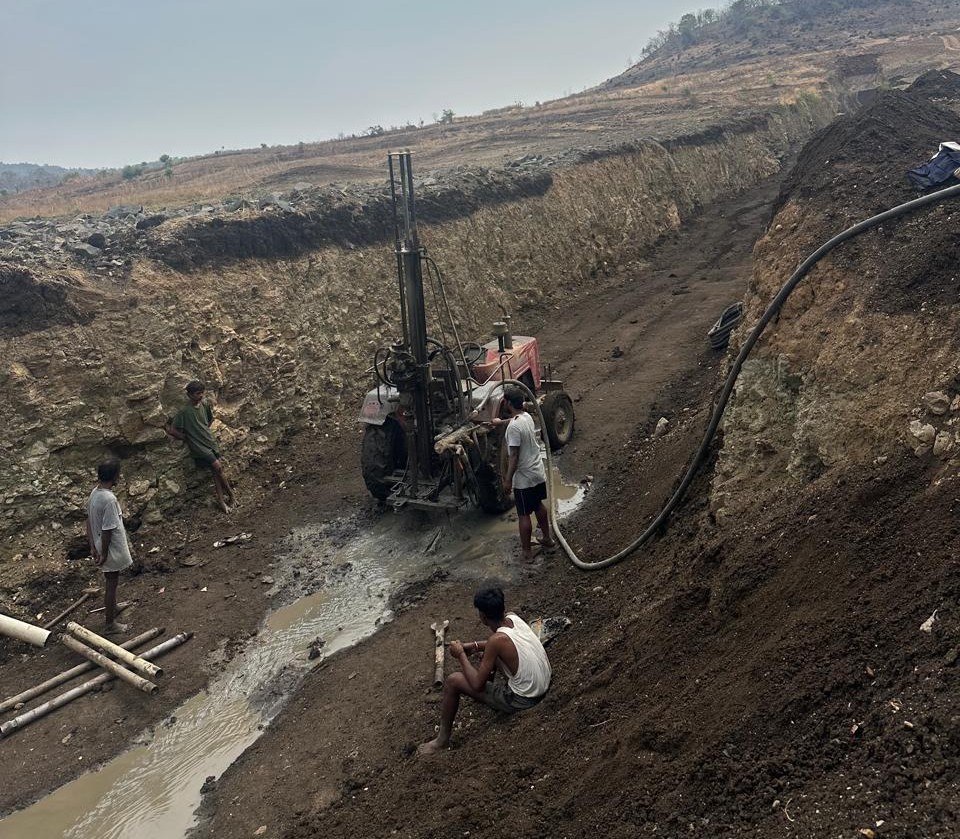
Blasting Services

Comprehensive blasting solutions:

  • Normal blasting operations
  • Specialized Collar Rig blasting
  • Quarry blasting
  • Construction blasting
  • Controlled demolition
Get Quote

About AVR Solutions

AVR Solutions is a leading provider of borewell drilling and water solutions with over 15 years of experience in the industry. We are committed to delivering high-quality services using state-of-the-art equipment and techniques.

Our Specializations:

  • Water Wells: From residential plots to large ventures (6½" up to 1800 ft, 4½" up to 1100 ft)
  • Earthing Systems: Complete solutions for industrial and commercial needs
  • Dam Construction: Expert drilling and grouting for dam projects
  • Blasting Services: Including specialized Collar Rig blasting

Our team of experts ensures that every project is completed with the highest standards of safety, efficiency, and environmental responsibility.

  • Experienced Professionals
  • Modern Equipment
  • 24/7 Support
  • Competitive Pricing
Contact Us
About AVR Solutions

Knowledge Hub

Expert guides to help you make informed decisions about your drilling and water needs

How to Choose the Right Borewell Depth
Drilling Guide

How to Choose the Right Borewell Depth for Your Property

Learn about the factors that determine borewell depth including water table levels, geological formations, and your specific water requirements. A comprehensive guide for residential and commercial properties.

5 min read Beginner's Guide
Read Full Guide
Earthing System Guide
Safety Guide

Complete Guide to Industrial Earthing Systems

Understanding the importance of proper earthing, types of earthing systems, and how to choose the right solution for your industrial or commercial facility to ensure safety and compliance.

7 min read Safety First
Read Full Guide
Controlled Blasting Guide
Technical Guide

Controlled Blasting: What You Need to Know

Everything about controlled blasting operations - safety protocols, regulatory requirements, and how it's used in construction, quarrying, and infrastructure projects.

6 min read Expert Tips
Read Full Guide
Water Quality Testing
Water Guide

Water Quality Testing: Why It Matters and How to Do It

Understanding water quality parameters, when to test your borewell water, and how to interpret results. Essential guide for ensuring safe drinking water for your family or business.

4 min read Lab Testing
Read Full Guide
Grouting Solutions
Construction Guide

Understanding Grouting: Types, Applications, and Benefits

Comprehensive guide to grouting in construction - from dam construction to foundation strengthening. Learn about different grouting techniques and when to use them.

8 min read Construction
Read Full Guide
Borewell Maintenance
Maintenance Guide

Borewell Maintenance: 10 Essential Tips for Long Life

Practical tips to maintain your borewell, prevent common problems, and ensure consistent water supply. Regular maintenance guide for borewell owners.

5 min read DIY Tips
Read Full Guide
×

How to Choose the Right Borewell Depth for Your Property

March 2026 By Ramesh Kumar, Senior Drilling Expert 5 min read

Choosing the right borewell depth is crucial for ensuring a sustainable water supply for your property. Here's a comprehensive guide to help you make an informed decision.

Factors That Determine Borewell Depth

  • Water Table Level: The depth at which groundwater is available varies by location
  • Geological Formation: Rock type and soil composition affect drilling depth
  • Water Requirements: Residential vs. commercial needs differ significantly
  • Neighboring Borewells: Depth of nearby borewells provides valuable reference
Expert Tip: In Hyderabad, typical residential borewell depths range from 400-800 feet, while commercial/industrial borewells may go up to 1200-1800 feet depending on water demand.

Typical Depth Ranges for Different Needs

  • Residential (2-3 BHK): 400-600 feet with 4½" diameter casing
  • Residential (Villa/Large House): 600-800 feet with 6½" diameter casing
  • Apartment Complex: 800-1200 feet with 6½" diameter casing
  • Industrial/Commercial: 1000-1800 feet based on water requirement
  • Agricultural: 200-600 feet depending on crop and irrigation needs

How We Determine the Right Depth

At AVR Solutions, we conduct a thorough site assessment including:

  • Geological survey of the area
  • Analysis of nearby borewell data
  • Water table level measurement
  • Soil and rock composition testing

Contact us for a free consultation to determine the ideal borewell depth for your specific requirements.

×

Complete Guide to Industrial Earthing Systems

February 2026 By Suresh Reddy, Electrical Safety Expert 7 min read

Proper earthing is critical for electrical safety in any industrial or commercial facility. This guide covers everything you need to know about earthing systems.

What is Earthing and Why is it Important?

Earthing provides a safe path for electrical currents to dissipate into the ground, protecting equipment and personnel from electrical faults, lightning strikes, and static discharge.

Types of Earthing Systems

  • Plate Earthing: Uses copper or GI plates buried in the ground
  • Pipe Earthing: Galvanized steel pipe driven into the ground
  • Chemical Earthing: Uses conductive backfill compounds for better conductivity
  • Rod Earthing: Copper rods driven deep into the earth
Expert Tip: Chemical earthing is recommended for industrial applications as it provides consistent low resistance throughout the year, regardless of soil conditions.

How to Choose the Right Earthing System

  • Soil Resistivity: Test soil conditions to determine required electrode depth
  • Facility Type: Different requirements for factories, offices, and residential buildings
  • Equipment Sensitivity: Sensitive electronic equipment requires specialized earthing
  • Regulatory Compliance: Must meet Indian electricity rules and safety standards

Our Earthing Services

AVR Solutions provides complete earthing solutions including soil testing, electrode installation, and regular maintenance to ensure your facility remains safe and compliant.

×

Controlled Blasting: What You Need to Know

February 2026 By Vijay Kumar, Blasting Specialist 6 min read

Controlled blasting is a specialized technique used in construction, mining, and infrastructure projects. Learn about safety protocols, regulations, and applications.

What is Controlled Blasting?

Controlled blasting involves using precise amounts of explosives in carefully planned patterns to break rock while minimizing impact on surrounding structures and the environment.

Applications of Controlled Blasting

  • Construction: Rock excavation for foundations and basements
  • Road Projects: Cutting through rocky terrain for highways
  • Quarrying: Extracting stone for construction materials
  • Demolition: Controlled dismantling of concrete structures
Safety First: All blasting operations at AVR Solutions follow strict safety protocols including blast design, vibration monitoring, and trained personnel supervision.

Key Safety Measures

  • Detailed site survey before any blasting operation
  • Precise blast design using specialized software
  • Vibration monitoring to protect nearby structures
  • Safety zones and evacuation procedures
  • Licensed and trained blasting experts

Regulatory Compliance

All our blasting operations comply with Indian Explosives Rules and local municipal regulations. We obtain necessary permits before any project and maintain detailed documentation.

×

Water Quality Testing: Why It Matters and How to Do It

January 2026 By Dr. Anjali Sharma, Water Quality Expert 4 min read

Water quality testing is essential for ensuring the safety of your drinking water. This guide explains what to test for, how often, and how to interpret results.

Why Test Your Borewell Water?

  • Health Safety: Detect harmful bacteria, chemicals, and contaminants
  • Equipment Protection: Hard water damages pipes, pumps, and appliances
  • Legal Compliance: Required for commercial and industrial water use
  • Peace of Mind: Ensure your family's water is safe for consumption

Key Parameters to Test

  • pH Level: Should be between 6.5 and 8.5 for safe drinking water
  • TDS (Total Dissolved Solids): Ideal below 500 mg/L, acceptable up to 2000 mg/L
  • Hardness: High hardness causes scaling in pipes and appliances
  • Bacteria (Coliform): Should be zero for safe drinking water
  • Nitrates & Nitrites: High levels indicate contamination from fertilizers or sewage
  • Iron & Manganese: Causes staining and metallic taste
  • Fluoride: Acceptable range 0.5-1.5 mg/L; excess causes dental fluorosis
Expert Tip: Test your borewell water at least twice a year - once before summer and once after monsoon. Monsoon often introduces contamination from surface runoff.

How We Test Water Quality

At AVR Solutions, we offer comprehensive water testing services including:

  • On-site pH and TDS testing for quick results
  • Laboratory analysis for bacteriological and chemical parameters
  • Detailed report with interpretation and recommendations
  • Consultation on water treatment solutions if needed

When to Test Immediately

  • After flooding or heavy rains near the borewell
  • If water changes color, taste, or smell
  • If family members experience recurring stomach issues
  • Before installing any water purification system

Contact us for professional water testing services and ensure your water is safe for drinking and daily use.

×

Understanding Grouting: Types, Applications, and Benefits

January 2026 By Rajesh Patel, Civil Engineering Expert 8 min read

Grouting is a critical process in construction and infrastructure projects. This comprehensive guide explains different grouting techniques, applications, and how they benefit your project.

What is Grouting?

Grouting is the process of injecting fluid materials into voids, cracks, or spaces to fill, seal, or strengthen structures. It's used extensively in dam construction, foundation repair, and underground works.

Types of Grouting

  • Cement Grouting: Used for filling large voids, stabilizing soil, and strengthening foundations. Ideal for dam construction and large infrastructure projects.
  • Chemical Grouting: Uses chemical solutions to seal fine cracks and stabilize soil. Provides excellent penetration and quick setting time.
  • Bentonite Grouting: Used for sealing borewells and preventing water infiltration. Creates a watertight seal.
  • Epoxy Grouting: High-strength material for structural repairs and crack injection. Excellent for concrete structures.
  • Polyurethane Grouting: Expands to fill voids, ideal for stopping active water leaks and soil stabilization.
Expert Tip: For dam construction, we recommend curtain grouting to create an impermeable barrier beneath the dam foundation, preventing water seepage and ensuring structural integrity.

Key Applications of Grouting

  • Dam Construction: Curtain grouting and consolidation grouting for foundation sealing
  • Tunnel Construction: Filling voids behind tunnel linings and preventing water ingress
  • Building Foundations: Strengthening weak soil and filling voids beneath structures
  • Bridge Construction: Sealing post-tensioning ducts and structural repairs
  • Borewell Sealing: Preventing contamination between water-bearing zones
  • Mining Operations: Stabilizing underground workings and preventing water inflow

Grouting Process at AVR Solutions

  1. Site Assessment: Detailed evaluation of soil conditions and project requirements
  2. Material Selection: Choosing the right grout mix based on application and site conditions
  3. Drilling Injection Holes: Strategic placement for optimal coverage
  4. Pressure Grouting: Controlled injection to ensure complete filling
  5. Quality Testing: Verification of grout penetration and effectiveness

Benefits of Professional Grouting

  • Increases structural stability and load-bearing capacity
  • Prevents water seepage and leakage problems
  • Extends the life of structures by preventing deterioration
  • Cost-effective solution compared to complete reconstruction
  • Minimally invasive with minimal disruption to operations

AVR Solutions specializes in all types of grouting services for dams, buildings, tunnels, and infrastructure projects. Contact our experts for a free consultation.

×

Borewell Maintenance: 10 Essential Tips for Long Life

December 2025 By Prakash Naidu, Borewell Maintenance Specialist 5 min read

Proper maintenance ensures your borewell provides consistent water supply for years. Here are 10 essential tips to keep your borewell in optimal condition.

1. Regular Water Quality Testing

Test your borewell water at least twice a year. Changes in water quality indicate potential problems with the borewell or surrounding groundwater contamination.

2. Monitor Water Level

Keep track of static water levels. Significant drops indicate over-extraction or declining water table. Install a water level indicator for easy monitoring.

3. Maintain Pump and Electrical Components

  • Inspect pump every 6-12 months for wear and tear
  • Check electrical connections for corrosion or loose wires
  • Ensure proper voltage supply to prevent pump damage
  • Install a pressure switch to protect against dry running
Expert Tip: Install a dry run protector to automatically shut off the pump when water level drops below safe limits. This prevents pump burnout and extends equipment life.

4. Keep Borewell Area Clean

Maintain a clean area around the borewell head. Prevent surface water from entering the borewell casing. Seal any cracks or openings to prevent contamination.

5. Regular Air Flushing

Flush the borewell with compressed air every 2-3 years to remove accumulated silt and sediments. This maintains water flow and prevents clogging.

6. Protect Against Sand Intrusion

If you notice sand in water, it indicates casing damage or improper gravel packing. Address immediately to prevent pump damage and borewell failure.

7. Control Pumping Duration

Avoid continuous pumping for extended periods. Allow the borewell to recover between pumping cycles to prevent over-extraction and pump overheating.

8. Maintain Proper Casing Seal

Ensure the casing pipe is properly sealed at the top. Use a concrete platform around the borewell to prevent surface water entry and contamination.

9. Document Maintenance History

Keep records of water level measurements, water quality tests, and any maintenance performed. This helps identify patterns and potential issues early.

10. Schedule Professional Inspection

Have your borewell inspected by professionals every 3-5 years. They can perform camera surveys, check casing integrity, and identify problems before they become serious.

Warning Signs That Need Immediate Attention

  • Sudden drop in water output: Indicates blockages or water table decline
  • Sand or silt in water: Casing damage or filter pack failure
  • Change in water color or smell: Contamination or chemical changes
  • Unusual pump noises: Pump damage or cavitation
  • Frequent pump cycling: Pressure tank or pump problems

Professional Maintenance Services

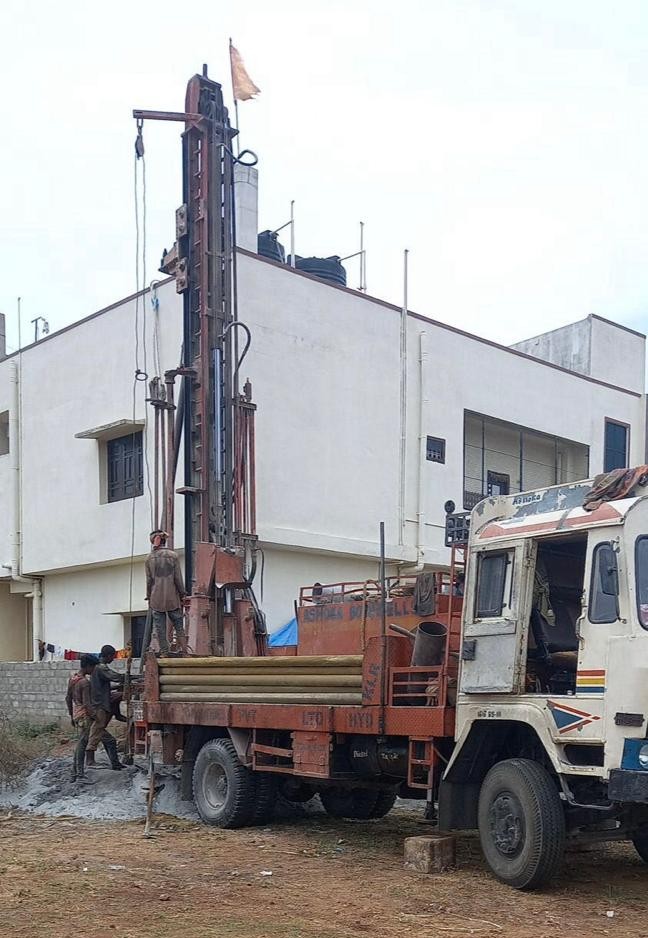
AVR Solutions offers comprehensive borewell maintenance services including:

  • Borewell camera inspection and diagnostics
  • Air flushing and development services
  • Pump maintenance and replacement
  • Casing repair and sealing
  • Water quality testing and treatment consultation

Schedule your borewell inspection today and ensure reliable water supply for years to come. Contact our maintenance team for expert assistance.

×

Water Conservation: Sustainable Practices for Every Home

December 2025 By Neha Gupta, Water Conservation Specialist 6 min read

With depleting groundwater levels, water conservation has become essential. This guide offers practical tips to conserve water at home and reduce dependence on borewells.

Why Water Conservation Matters

Hyderabad faces increasing water scarcity due to rapid urbanization and declining groundwater levels. Every drop saved today ensures availability for future generations.

Simple Home Conservation Tips

  • Fix Leaks Promptly: A dripping tap wastes up to 10,000 liters annually
  • Install Aerators: Reduce flow without compromising water pressure
  • Use Dual-Flush Toilets: Save up to 40% of water used in flushing
  • Collect Rainwater: Install rain barrels for gardening and cleaning
  • Water Plants Wisely: Water early morning or evening to reduce evaporation
Expert Tip: A family of four can save up to 30,000 liters annually by fixing leaks and adopting simple conservation habits.

Rainwater Harvesting: A Sustainable Solution

Rainwater harvesting is the most effective way to recharge groundwater and reduce borewell dependency. Benefits include:

  • Recharges groundwater levels naturally
  • Reduces water bills and electricity costs
  • Improves water quality by reducing hardness
  • Prevents urban flooding by managing runoff
  • Increases property value with sustainable features

Types of Rainwater Harvesting Systems

  • Surface Runoff Harvesting: Collects rainwater from paved surfaces
  • Roof Top Harvesting: Directs rainwater from roofs to recharge pits
  • Borewell Recharge: Directs filtered rainwater into existing borewells
  • Recharge Pits: Allows water to percolate into the ground
  • Recharge Trenches: Ideal for open areas with permeable soil

Greywater Recycling

Reuse water from washing machines, sinks, and showers for gardening and flushing. Simple filtration systems can make greywater safe for non-potable uses.

Our Water Conservation Services

AVR Solutions offers comprehensive water conservation services including:

  • Rainwater harvesting system design and installation
  • Borewell recharge structure construction
  • Water audit and conservation recommendations
  • Greywater recycling system installation
  • Drip irrigation for gardens and landscapes

Join us in preserving water resources for future generations. Contact us to learn how you can make your property water-wise and sustainable.

Why Choose Us

We provide the best services in the industry

Quality Assurance

We maintain the highest standards in all our services with strict quality control measures.

Timely Completion

Our projects are completed within the promised timeframe without compromising quality.

Competitive Pricing

We offer the most competitive rates in the market without hidden charges.

24/7 Support

Our customer support team is available round the clock to address your concerns.

Precision Drilling

Our advanced equipment ensures accurate drilling to exact specifications every time.

Certified Experts

All our technicians are certified professionals with extensive field experience.

What Our Clients Say

Hear from our satisfied customers

"AVR Solutions provided excellent borewell drilling services for our farm. The team was professional and completed the work on time. Highly recommended!"

Rajesh Kumar

Farm Owner

"We've used AVR for multiple projects and they consistently deliver quality work. Their expertise in blasting services is unmatched in the region."

Priya Sharma

Construction Manager

"The earthing hole drilling for our factory was done perfectly. AVR's team understood our requirements and delivered beyond expectations."

Vikram Patel

Factory Owner

Need Professional Borewell Services?

Contact us today for a free consultation and quote